I was recently contacted by a man who felt I had an important voice, and who wanted to see if I could do something to inspire us Britains to buy "British" and rally around local farmers and producers and help support the industry of food producing here in the UK.
I thought it was very timely as this is British Food Fortnight, an event which is now in it's seventh year and is a celebration of the wide diversity of foods we have available here, locally produced and grown right in the United Kingdom.
There is a real feeling growing here in Britain that we should rally around our local farmers and buy "British," in order to help support British farmers and help to maintain Britains fresh and local produce and goods, rather than support goods and produce being shipped in from abroad.
My Todd, in his younger years, was once a cowman. He knows only too well how very hard these people work on their farms, and quite often for very little in return. So many of us never stop and take a thought for the hard work that often goes into producing these lovely things we enjoy on our tables every day and the history behind it.
I try, whenever possible to buy British products. It really annoys me when I go to buy blueberries for instance, and the only ones on offer are from Poland, especially when I know that beautiful British blueberries are being grown just down the road. Oftimes I know it is because of trade agreements our country has with the other countries in the European Community, but I think it's really sad when you can't get a British Blueberry and, to be perfectly honest, I am getting to the point where I just won't buy things unless it says on the label produced in Britain . . . I firmly believe that if we fail to support our local farming communities, they will be forced to shut down shop and then where will we be . . . we'll be at the mercy of foreign producers and investors and will have lost a lot of the charm and pleasures of our local farming communities.
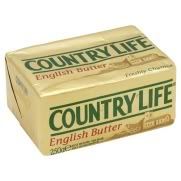
One needn't only hold that resolve to buying only British produce and meat however. The store shelves are laden with butters imported from Denmark, and even New Zealand . . . but there are some wonderful butters produced right here in our own country that are just as good, sometimes even better and quite often much cheaper than the imports. I like to buy British branded butter myself. Country Life is the only major British branded butter in the UK market today. There are a few smaller brands that are a bit more expensive and more specialized, but Country Life is a very good butter and quite reasonably priced. In these days when every penny counts, that is nothing to sniff at!
The farmers that produce this butter work very hard and long hours, and are often very educated people with a great deal of knowledge about what they are producing and a care about the environment and the impact their farms have on it.
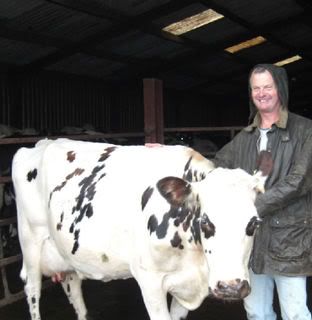
Peter Hawkins owns and runs Lingens Farm in Worcester. This is a farm that has been operated by his wife's family for many years. Having studied agriculture at college, Peter traveled all over the world with his wife, Helen, working on farms in Canada, Australia and Saudi Arabia, before settling down on Lingens Farm in 1991.
The Lingens Farm is shrouded in heritage, retaining many of its traditional 17th Century buildings including two threshing barns and old orchards that remain from the time when the farm was used for fruit and hops. Peter is currently working with Natural England to try and restore the old buildings to their former state. Peter and his family work really hard to ensure that the farm works as a profitable dairy farm whilst remaining true to its traditions. To do this, they have created an environment where everything can live and over the years, as well as cows, this farm has become home to many other species of wildlife including hares, foxes, sparrows, wrens and owls who like to nest in the old barns.
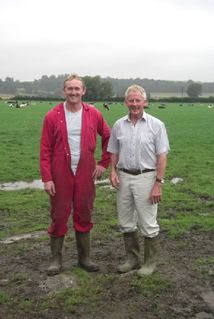
Clive Guerney owns and runs Abbey Court Farm in Hereford. His family has owned and operated dairy farms since the early 1960's when his grandfather bought a small farm in North Staffs of 39 acres. Now Clive has his own farm with some 320 cows on an impressive 400 acres. Clive’s farm is very special in that, he has made a massive commitment to not only his cows, but also to the environment which he is very passionate about. He works very hard to ensure that his farm exists side by side with the natural backdrop and wildlife that exists all around him. As well as maintaining and replanting hedge rows and maintaining his woodlands and ponds, Mr Guerney has also created a wetlands area for the local wildlife. He is an active member of FWAG (Farming & Wildlife Advisory Group) and dedicates time to working with the countryside stewardships on annual projects. Clive is also a popular man around the village, having hosted the local village fete and donating a field to the village.
British Farms are not just farms . . . they are history and the soul of all that is good in Britain, rich in heritage and stewardship, and community. As intelligent consumers we need to make every effort to sustain and support our British farmers and this very vital industry.
Buying British is important for many reasons. In doing so we are the lucky recipients of some of the best quality produce and goods in the world and we can reduce our carbon footprint and the impact that it has on the world. I believe in doing my part, how about you?
To help celebrate British Food Fortnight, Antonia of Food, Glorious Food is hosting a blogging event which celebrates the very best of British Food . . . the challenge being to to create a thoroughly British dish from (where possible), locally-sourced ingredients.
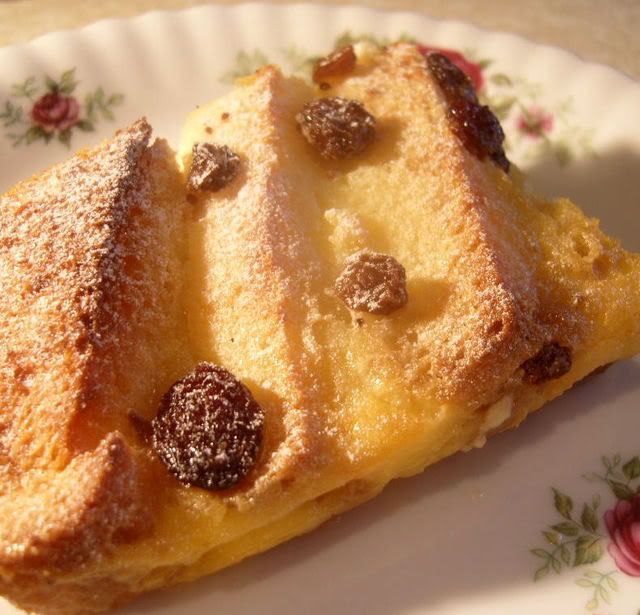
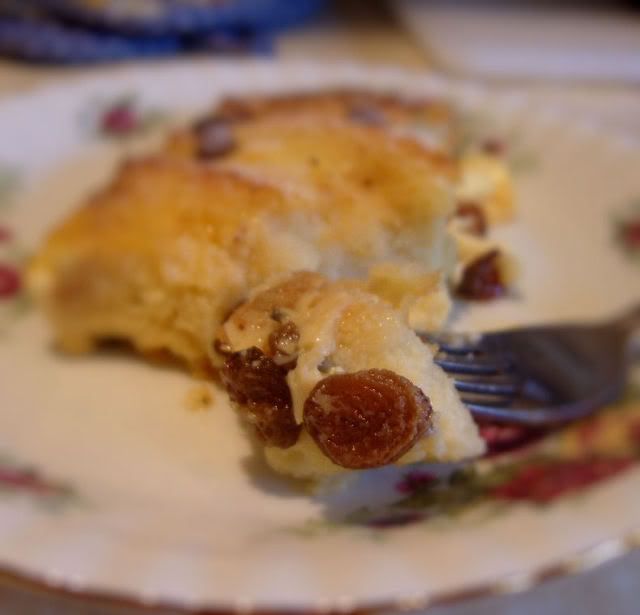
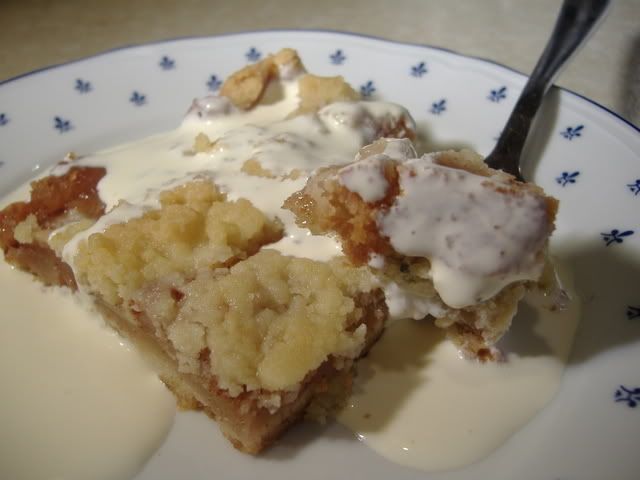
I have decided to make a lovely Bread and Butter Pudding, using Country Life Butter, a uniquely British Branded Butter . . . Bread and Butter Pudding is a variation of custard, bread and butter that has become one of our great British Classic puddings. It's always been a good way of using up stale bread and a testimony to great British ingenuity and thrift!
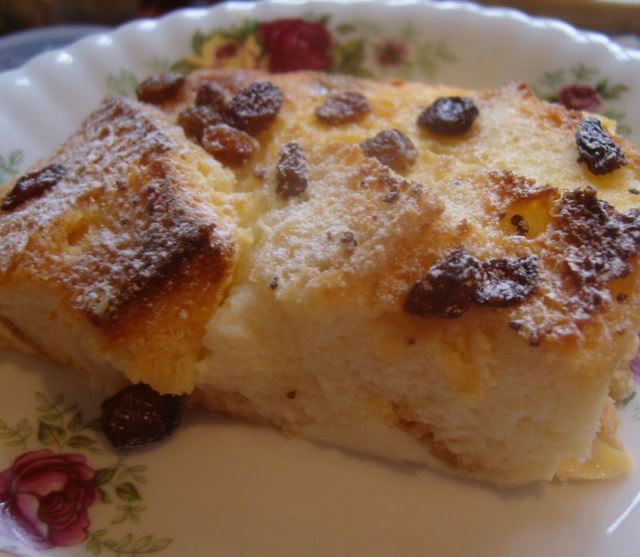
*Bread and Butter Pudding*
Serves 6-8
This pudding has a delicious sponge like texture, just oozing with thick fresh custard between the layers.
12 medium slices of white bread
2 ounces british butter, softened (Country Life!)
8 egg yolks (British free range organic please!)
6 ounces sugar
few drops of pure vanilla extract
300ml of whole milk
300 ml double cream
2 ounces sultana raisins
more sugar for sprinkling
Grease a glass baking dish with some butter and set aside.
Butter all the bread, removing the crusts and cutting in half diagonally, creating triangles. Arrange the bread in layers in the prepared baking dish, sprinkling with the raisins in between the layers.
Whisk the egg yolks together in a bowl along with the sugar, mixing together well. Set aside.
Place the vanilla in a pan with the milk and cream. Bring to the simmer, then remove from the heat. Whisk a bit of this heated mixture into the egg yolk mixture, slowly to temper it, then whisk it in completely, stirring all the time. Pour the warm egg mixture through a seive onto the bread and butter layers. Leave to soak for 20 minutes before cooking.
Place a large roasting pan onto a baking tray. Place the dish with the bread and butter pudding into this roasting pan,a nd then fill the roasting pan with warm water to come up 2/3 of the way. cover the whole thing with buttered foil and then place in the heated oven and bake for about 20 to 30 minutes, just until the mixture begins to set. You don't want it to become too firm.
Remove from the oven and the water bath and place it back on the baking tray. Sieve more sugar over the top and then place it under a hot grill to dissolve and caramelize the sugar. Watch very carefully so it doesn't burn.
Serve warm spooned out into individual bowls or plates. You can serve with ice cream or pouring cream if you wish.
*Note you can add some freshly grated nutmeg in between the layers if you wish for an extra spicy flavour.